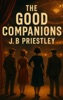

J. B. Priestley's The Good Companions (1929) is a richly episodic novel about the Dinky-Doo concert party, a struggling theatrical troupe whose fortunes briefly rise as it travels through the English provinces. Its central figures—Jess Oakroyd, an unemployed Yorkshireman; Elizabeth Trant, a dissatisfied schoolmistress; and Inigo Jollifant, an ambitious young entertainer—embody different forms of social displacement and longing. Combining comedy, sentiment, romance, and social observation, Priestley adopts a deliberately expansive, picaresque structure reminiscent of Dickens, while drawing on the popular traditions of music hall and touring theatre. The novel's warmth is balanced by an acute awareness of class, economic insecurity, provincial life, and the fleeting nature of success, placing it within the interwar revival of socially attentive English popular fiction. Priestley's own background helps explain the novel's distinctive sympathy and range. Born in Bradford to a working-class family, he experienced the industrial North, served in the First World War, and later became a prolific novelist, dramatist, essayist, and broadcaster. His knowledge of ordinary speech, provincial communities, performance culture, and postwar disillusionment informs the book's vivid social panorama. Yet Priestley's outlook is not merely documentary: he imagines fellowship and collective enterprise as temporary but meaningful alternatives to isolation and commercial competition. The Good Companions is especially rewarding for readers interested in English social history, theatrical culture, and the development of the modern popular novel. Its humane characters, comic reversals, and atmospheric evocation of a vanishing entertainment world make it accessible, while its class consciousness and formal ambition invite sustained critical reflection. It is an engaging introduction to Priestley's art and to the cultural tensions of interwar Britain.